
Cask Maturation Return Example: A Worked View

Updated: 3 days ago
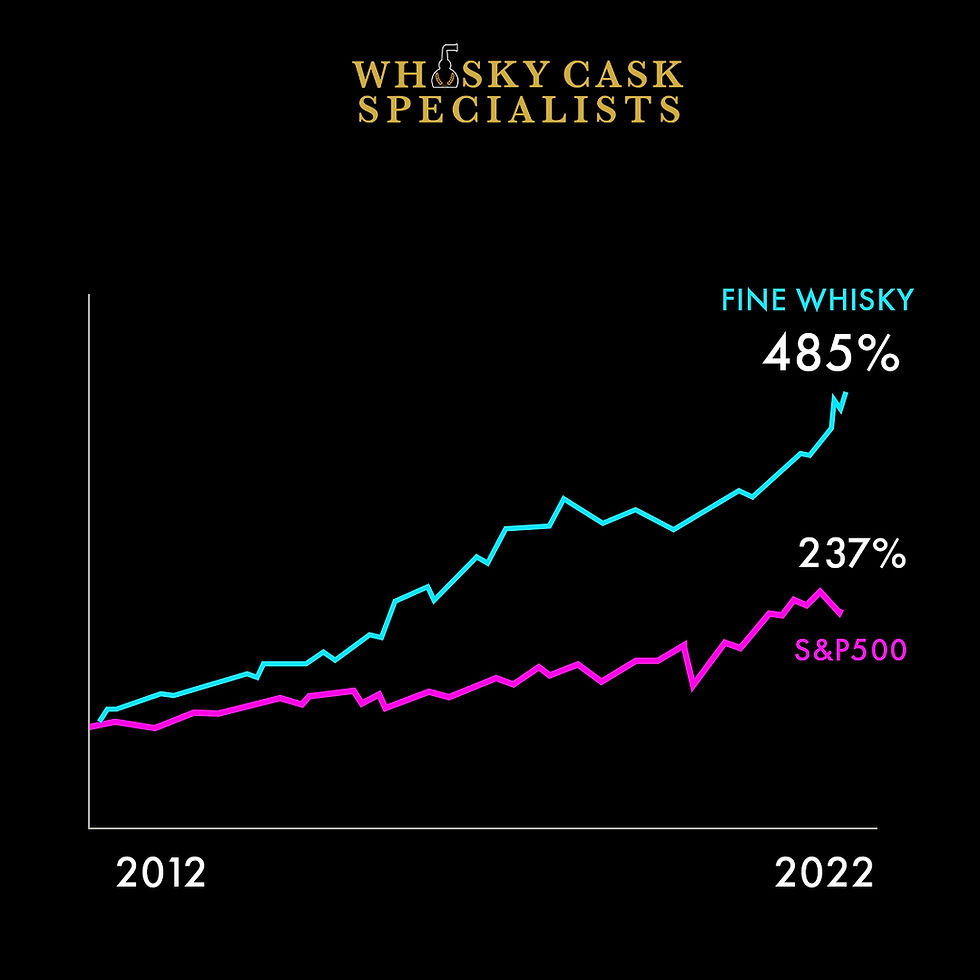
A cask maturation return example is useful because it replaces broad claims with the figures that actually matter: the acquisition cost, the years in bonded storage, the ongoing charges, the cask’s condition and the realistic value available at exit. A maturing Scotch whisky cask can be a compelling tangible asset, but its return is never created by age alone. It is shaped by provenance, demand for the distillery, quality of the spirit and disciplined ownership administration.
For private investors, the objective is not simply to buy a cask and wait. It is to own a documented asset, held correctly in Scotland, with a clear view of costs, risk and the routes available when the intended holding period ends.
A cask maturation return example, step by step
Consider an illustrative purchase of a young single-malt Scotch whisky cask from an established distillery with a recognised secondary market. The figures below are hypothetical. They are not a forecast, valuation or indication of future performance, and they exclude tax because an investor’s position depends on their circumstances and jurisdiction.
An investor acquires the cask for £12,000. At the point of purchase, the price should relate to a specific cask, not merely a promise of future allocation. Its distillery, cask type, fill date, regauge information where available, warehouse location and ownership documents should all be capable of verification.
Assume initial transfer and ownership administration costs total £600. The starting capital committed is therefore £12,600.
The cask remains in bonded storage for eight years. During this period, annual storage, insurance and management charges are assumed to average £220, rising modestly over time. For simplicity, the total ongoing cost over eight years is £1,900. The investor’s total cash outlay is now £14,500.
At year eight, the cask is assessed for a potential sale. Its spirit has developed further character and scarcity has increased because it is an older, finite cask from a fixed production period. Subject to market conditions, a verified valuation indicates a possible sale price of £19,500.
The gross gain is £5,000, calculated as the £19,500 sale value less the £14,500 total cost. Before any tax liabilities or exit-related costs, that represents an overall return of approximately 34.5 per cent across the holding period. The annualised return is lower than the headline percentage suggests because the gain has accrued over eight years, not one. Using a compound annual growth rate calculation, it is roughly 3.8 per cent per annum.
That distinction matters. A 34.5 per cent gain may sound substantial, but investors should assess it against the length of time capital is committed, the asset’s liquidity and the alternative opportunities available to them.
Why the result is not guaranteed
The worked example gives a structure for analysis, not a formula for profit. Two casks of the same age can command very different prices. A famous distillery may have deeper international demand than a lesser-known producer, while an exceptional cask type can improve desirability only if the spirit and maturation profile support it.
Cask quality is central. The wood influences colour, aroma, flavour and eventual bottling appeal. However, an expensive or unusual cask does not automatically produce a stronger investment outcome. Excessive wood influence, unfavourable fill strength or a declining volume can limit the options available at exit.
The angel’s share also has practical consequences. Whisky gradually evaporates while it matures, meaning the volume and alcoholic strength of the spirit reduce over time. A cask must remain commercially viable for continued maturation and, ultimately, for sale or bottling. Regular regauging and condition monitoring are therefore not administrative details. They are part of protecting the underlying asset.
Market demand can change as well. Scotch whisky benefits from heritage, global collecting interest and a finite supply of mature stock, yet values can rise unevenly. The most desirable distilleries, ages and cask styles may attract greater buyer interest, while other casks can require a longer holding period or a different exit strategy. No responsible adviser should present maturation as a straight line from purchase price to profit.
Costs that should sit within the calculation
A credible assessment of return includes more than the original purchase price. Omitting recurring costs can make an opportunity appear more attractive than it is.
Storage is required because Scotch whisky must mature in Scotland to retain its legal designation. A privately owned cask is generally held in a bonded warehouse, where duty remains suspended while the whisky is in bond. Insurance should be appropriate to the value and status of the asset, while ongoing management can include documentation, warehouse liaison, condition oversight, valuation support and planning for the eventual exit.
There may also be costs related to transfer, regauging, sampling, bottling, labelling, delivery or a sale process. Not every cask will incur every cost, and charges should be confirmed before an investor commits. The key question is straightforward: what is included in the purchase, what is charged annually, and what may be payable when the cask is sold or bottled?
Ownership and custody protect the calculation
A return calculation has limited value if title to the cask is unclear. Investors should be able to identify the particular asset they own and understand who is responsible for its custody, paperwork and warehouse administration.
A properly structured arrangement should establish the investor as beneficial owner of the identified cask, while the service provider acts as custodian and administrator. At Whisky Cask Specialists, this is supported through a bailment agreement under English trade law, with regulated duty representation and documented management of the cask throughout its life cycle.
For an investor, this distinction is material. It helps separate direct cask ownership from an informal arrangement in which funds have been paid but the buyer cannot verify title, location or the exact asset behind the transaction. Due diligence should extend to the source of the cask, the warehouse position, insurance arrangements and the records that evidence ongoing control.
Sale, bottling or continued maturation
The final value in any cask maturation return example depends heavily on the exit route. A resale in bond may suit an investor seeking a relatively straightforward transfer to another private buyer, trade participant or bottler. The cask remains in bonded storage, and the buyer takes ownership subject to the relevant process and documentation.
Bottling can create a different proposition. An older, distinctive cask may have appeal as a limited private release, but bottling introduces additional decisions and costs: the number of bottles, alcohol strength, packaging, labels, duty, VAT and route to market. It is not automatically more profitable than a cask sale, particularly if distribution and demand have not been carefully considered.
Continued maturation may be sensible where the cask has sufficient volume and strength, the spirit is developing well and the market supports an older age statement. It may be less suitable where carrying costs outweigh the likely improvement in value, or where the spirit has reached an attractive selling point. The right decision is cask-specific and should be informed by current condition data rather than optimism.
Questions to ask before relying on projected returns
Before using any projected figure in an investment decision, ask whether the comparison is like for like. Is the assumed sale value based on actual transactions for comparable casks, or on aspirational advertised prices? Does it account for cask age, distillery, type of wood, volume, alcoholic strength and current buyer demand?
Also ask what could cause the holding period to change. A longer period can enhance rarity, but it also increases storage, insurance and management costs, and exposes the cask to further evaporation. A shorter sale may release capital sooner, but could forgo the value associated with a later, more sought-after age statement.
Cask ownership is best approached as a considered allocation to a specialist, illiquid asset. The appeal lies in owning a finite piece of Scotch whisky maturation, with provenance and physical substance behind it. The discipline lies in treating every projected return as a scenario to test, supported by clear title, bonded custody, verified condition and personal advice before a decision is made.


Comments